A structured approach to every project.
We follow a proven process that ensures defects are thoroughly investigated, accurately diagnosed and effectively resolved, from first review to validated remediation.
Initial Review
Understand the defect, site history and available information to define the scope of investigation.

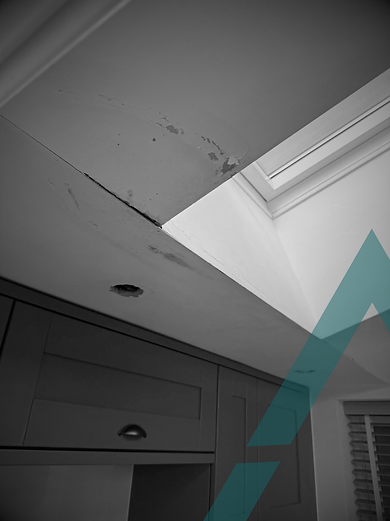
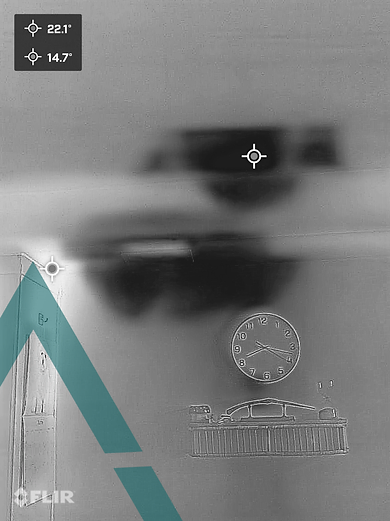
Non-Intrusive Investigation
Apply appropriate diagnostic techniques to investigate without unnecessary disturbance.

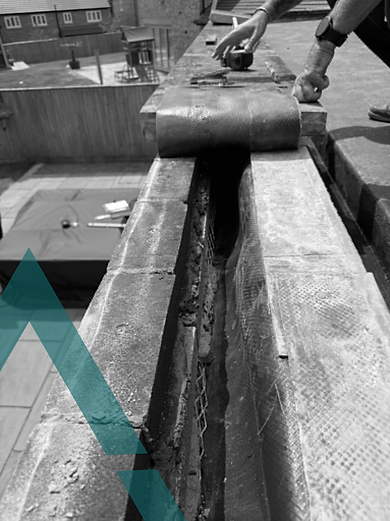
Intrusive Investigation
Targeted opening-up and inspection where required to confirm findings and establish root cause.

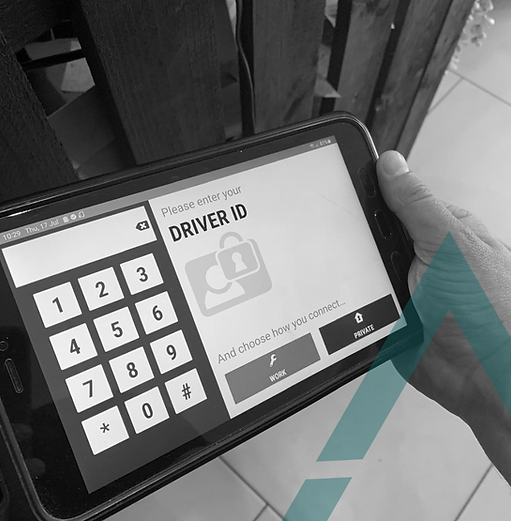
Reporting & Recommendations
Clear defect analysis, supporting evidence, remediation options and cost guidance.

Remediation & Validation
Deliver remediation, manage drying where required and validate that the underlying defect has been effectively resolved.


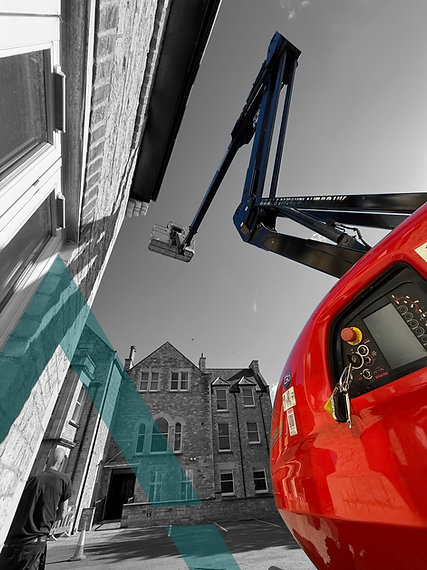
Supporting Capability
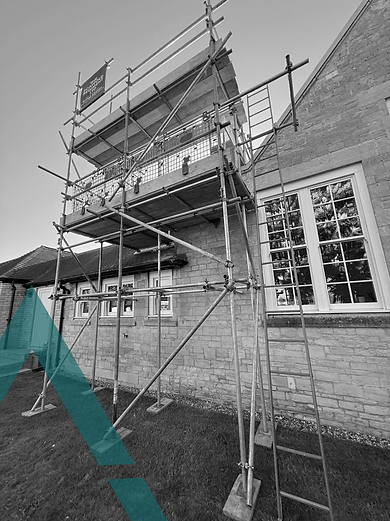
Access-led investigation where required.
Where a suspected defect cannot be assessed reliably from ground level, appropriate access can form part of the investigation methodology. Depending on the building and evidence required, this may include MEWP, scaffold, mobile tower, roof-level access or drone survey, allowing close-range inspection, testing and targeted opening-up where justified.

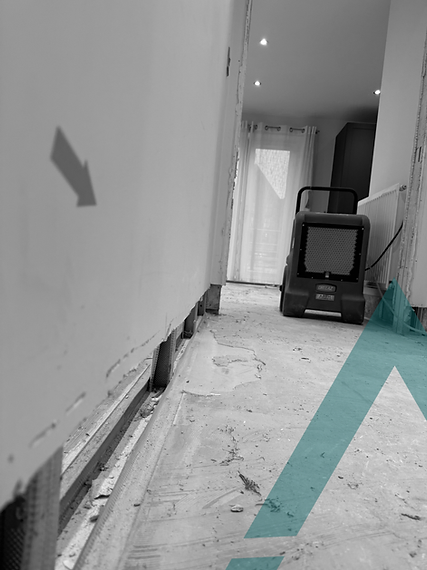
Controlled Drying
Drying, monitoring & claim sign-off.
Where water ingress or an escape of water has left the building fabric wet, controlled drying can be managed as part of the remedial programme. Dehumidification and, where appropriate, air movement are used alongside repeatable monitoring so progress is judged by measured conditions rather than elapsed time alone.
Monitoring may include Protimeter material readings, relative humidity and temperature checks, Hygrohood testing to floor or screed assemblies, thermal imaging and comparison against unaffected benchmark areas. Readings are recorded through the drying period to demonstrate progress and help determine when reinstatement can safely proceed.
Where required by the claim, the resulting moisture record can support a drying certificate or close-out evidence for the insurer, loss adjuster or other stakeholder before final reinstatement and sign-off.
From investigation to validated resolution, through one partner.
Every stage is built to produce evidence, control scope and confirm the defect is genuinely resolved.