
Defective Cavity Tray Above Bifold Doors
Recurrent water ingress around a rear bifold-door opening was diagnosed through targeted removal of the external stonework, exposing a poorly formed DPM cavity tray that was retaining water within the cavity. Following insurer authorisation, the defective detail was replaced with a purpose-built Type E interlocking refurbishment cavity tray system, the supported stonework was reinstated and the water-damaged internal reveals were fully remediated.
Client Problem
An insurer-led claim involved recurring water ingress around a large bifold-door opening to the rear elevation of a stone-faced residential property. The internal staining identified the affected area but did not establish how water was crossing the cavity and reaching the door reveals. A concealed defect within the cavity tray arrangement above the opening was suspected and required direct verification before a permanent repair could be authorised.
Initial Symptoms
Water staining and moisture damage were present to the internal reveals and adjoining rear elevation finishes around the bifold doors. The pattern was consistent with moisture entering the cavity above the opening and migrating towards the head and reveals rather than a simple failure of the door perimeter seal itself.
Investigation
Targeted intrusive opening-up was undertaken directly above the bifold-door opening. Selected sections of the external stone facing were carefully removed to expose the concealed cavity construction and the existing DPM tray detail. This allowed the water-management arrangement to be inspected in situ rather than inferred from the internal symptoms. The opening-up confirmed that the defect sat within the concealed cavity tray zone.
Findings
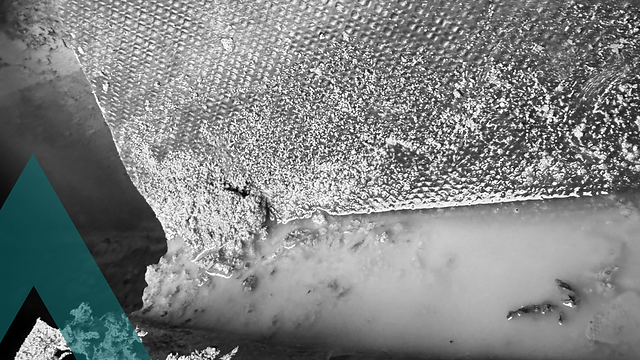
The existing DPM forming the cavity tray had been poorly finished and was not providing an effective route for water to discharge from the cavity. Water was being retained within the membrane detail, creating significant localised pooling above the bifold opening and a pathway towards the internal reveals. Cracked jointing above the keystone was also identified as an additional potential route for water entry and was repointed during the remedial works.
Root Cause
The principal defect was the inadequately formed and finished DPM cavity tray above the bifold doors. Rather than collecting incidental cavity moisture and directing it safely back to the exterior, the existing detail allowed water to accumulate and remain trapped above the opening. The resulting reservoir effect increased the likelihood of moisture tracking internally around the door head and reveals.
Recommended Solution
Remove the defective DPM tray and install a purpose-built Type E interlocking refurbishment cavity tray system designed for remedial installation within the existing wall. The masonry above the opening was to be safely supported during the works, with the stone facing removed only where required to create the working access. Once the new tray was installed and correctly detailed to discharge water externally, the original stonework could be reinstated and the internal water-damaged finishes repaired.
Remediation
The stonework above the bifold opening was locally opened up and the masonry was temporarily propped to maintain stability while the defective DPM detail was removed. A Type E refurbishment cavity tray system was installed across the opening using the purpose-built interlocking remedial components to create a continuous water-management detail. The stone facing was then reinstated, localised defective pointing above the keystone was repaired, and the water-damaged internal reveals and associated finishes were made good and redecorated.
Outcome
The project progressed from insurer-led defect investigation through confirmed diagnosis and authorised remediation to completed reinstatement. Targeted opening-up proved the concealed cavity tray failure before repair, allowing the defective DPM arrangement to be replaced with a dedicated refurbishment system rather than relying on sealant or surface treatment. The external stonework was successfully reinstated following temporary support, the internal water damage was remediated and completion evidence was provided back into the claim process.